Carlos Botong Francisco Painting Style. Carlos “botong” francisco carlos v. The painting also highlighted victories, festivals, events, heroes and national icons with a style inspired by the works of philippine national artist carlos botong francisco, a native of the art capital of the philippines, angono, rizal in luzon.
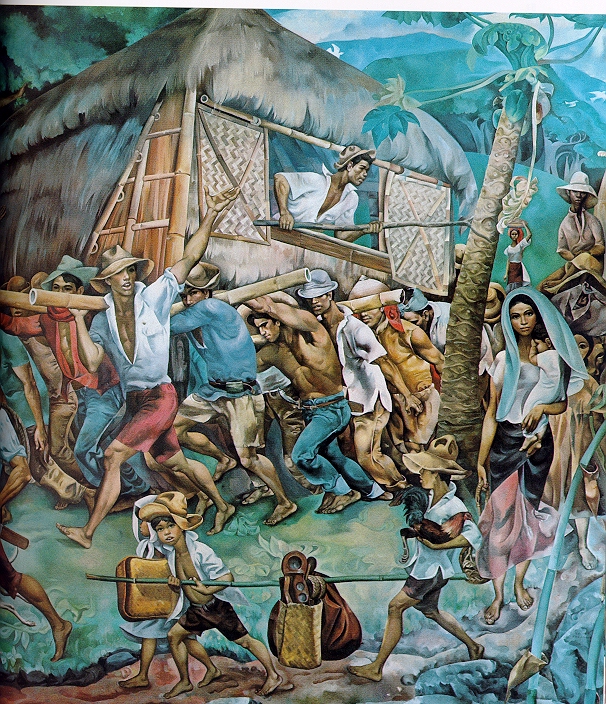
Francisco the painting above is considered primary source because it portrays the filipino tradition during the spanish colonial period. Their artworks were influenced by the western styles in the international scenes such as pop art, maximalism, minimalism, abstraction, expressionism, constructivism, magic realism, and environmental art. Feet, making the painting most possibly, the last botong francisco of such epic proportions to go to auction.
National Artist For Visual Arts (Painting) #Artsmonthph2015.
The nose flute • 1955. Later, he developed a mannerist visual vocabulary consisting of languid forms and opaque colors that gave rise to the folk romantic tradition referred to by critics as the angono. Fill in your details below or click an icon to log in:
Francisco Is Best Known For His Landmark Murals Depicting Some Of The Philippine Historical Events.
The controversy over the botong francisco painting that ended up selling for p23.4 million at auction has yet to see its ending. The work is painted on a double canvas, joined at the seams. Francisco’s centennial is a most fitting time for this painting’s return to public view.
The Mural Depicts The Beginning Of The Philippine Revolution Against Spain In 1896 Led By Andres.
Victorio edades, galo ocampo, and carlos botong francisco’s “the interaction”, 1935, 256.5 x 270.5 cm, oil on canvas, private collection. Although he came from the same school of arts as amorsolo, he veered away from the traditional artist and developed a modernist style. The painting also highlighted victories, festivals, events, heroes and national icons with a style inspired by the works of philippine national artist carlos botong francisco, a native of the art capital of the philippines, angono, rizal in luzon.
( Log Out / Change )
This good custom is widespread in the. But his legacy doesn't stop there—his grandson, carlos totong francisco ii, is also a renowned. Francisco was a most distinguished practitioner of mural painting for many decades and best known for his historical pieces.
His Work Can Now Be Seen In The City Hall Of Manila As Well As In The National Museum.
Before the war, he did illustrations for the. The progress of medicine in the philippines • 1953. He brought the bonifacio monument into life.


