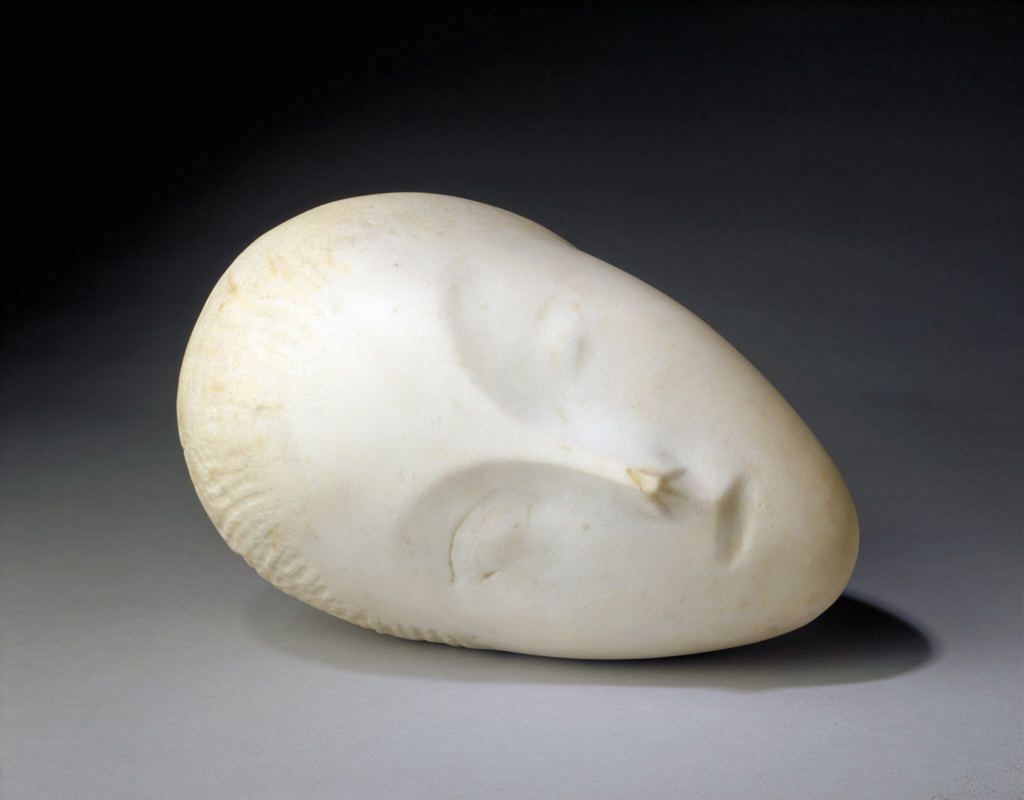
Brancusi Sleeping Muse. Its apparently phallic shape created a scandal, and, despite brancusi’s vehement protests that it was intended merely as an anonymous portrait, the. At eighteen, he enrolled in the craiova school of arts and crafts, where he studied woodworking and sculpture.
Man ray taught brancusi how to document his works. Hirshhorn museum and sculpture garden. Brancusi's art is based on variations of the same themes, such as the sleeping muse.
In Preliminary Compositions Such As Repose, 1906, And Sleep, 1908, He Emulated Auguste Rodin's Marble Carvings Of Dreaming Or Contemplative Female Heads.
It was followed by 4 bronzes in 1910 taken from a plaster cast of the carved original. Later brancusi turned the head upright, placing the oval face on an elongated neck and shoulder. Man ray taught brancusi how to document his works.
In Conceiving And Executing Sleeping Muse, The Sculptor Eschewed Drama And Detail In Favor Of Reducing Ideas To Fundamental Forms And Simplified Details.
Refining the sculpture, brâncuși cast several of the sculptures in bronze, which are now in museums around the world, including the metropolitan museum of art in new. In 1913, brancuși's work was showcased at the salon des indépendants and the armory show in the us. It is now in the collection of the hirshhorn museum.
His Work From This Period Set A Standard For All Succeeding Modern Sculpture That Desired Truth To Materials; The Stone's Form.
Marble, 6 3/4 x 10 7/8 x 8 3/8 inches. Brancusi, of peasant stock, left home at 11, worked here and there, studied at a number of places and reached paris in 1904 mostly on foot for more study and apprenticeship when he was in his late 20s. There are seven prints of the alabaster version presented here.
He Was Fascinated With The Subject Of The Sleeping Head, And Worked On It In Various Shapes And Forms For About Twenty Years.
Many have said that sleeping muse is the last time rodin's influenced appeared in my work. From art resource, constantin brâncuși, sleeping muse (1910), painted bronze, 16 × 25 × 18 cm Brancusi's most celebrated and influential sculptural style appeared in his first version of the sleeping muse, created in 1910.
Peter Marino, Not Once, But Twice.
Signed ‘brancusi’ (on the back of the neck). Anna chave has explained, by 1910, the baroness became the sleeping muse, no longer a specific person or even a specific muse but a generic mythological figure who would appear in multiple versions in bronze and marble. In sleeping muse, brancusi reduced the subject to the most fundamental of needed form with highly abbreviated details.


