Paul Poiret Raoul Dufy. Thanks to him fashion can be a mirror of the times, an art form, and a grand entertainment. The famed reception of the arabian nights was held on june 14th, 1911, in the paris residence of paul poiret on the rue d’antin.
It was after he was commissioned by fashion designer paul poiret in 1911 to design business stationery that they formed a friendship and creative partnership that was to last for many years. His most enduring collaboration was with the french fauvist painter raoul dufy. La mode et la décoration 1.
Raoul Dufy Nació El 3 De Junio De 1877 En El Havre, Una Ciudad Portuaria En Francia.
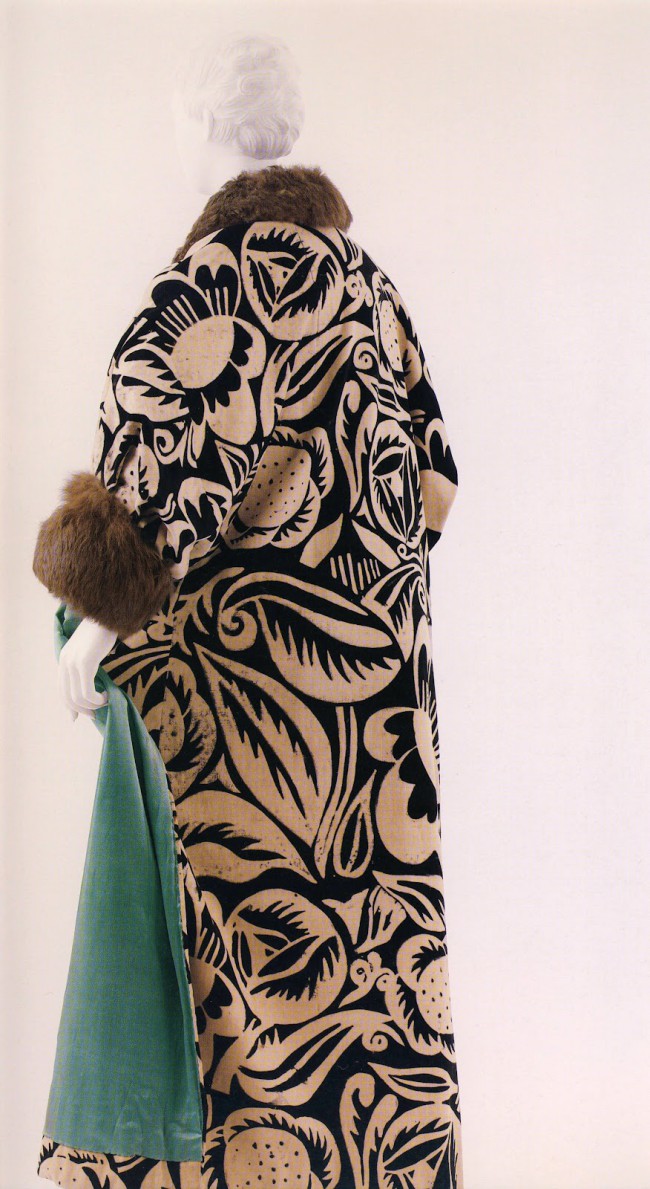
He even set up a small studio in 1911 called ‘la petite usine’ for the sole purpose of printing dufy’s textiles. In the late 1940s and early 1950s, dufy exhibited at the annual salon des tuileries in paris. Dufy's flat, graphic patterns were ideally suited to poiret's planar, abstract designs, a fact that is palpable in such signature creations as 'la perse' coat, 'la rose d'iribe' dress, and the 'bois de.
On Y Trouvait Des Tissus, Du Mobilier Et Toutes Sortes De Papiers.
Avant même la parution du bestiaire, les gravures de dufy avaient attiré l’attention d’un homme cultivé et passionné d’art décoratif : Poiret's la perse coat, 1911 (fig. Dufy also acquired a reputation as an illustrator and as a commercial artist.
It Is Also Known That He Worked With The Artist Raoul Dufy.
Destaca por sus escenas de acontecimientos sociales al aire libre. Like many modern artists, he diversified his activities by illustrating texts and creating fabrics and sets for the theatre. Dufy membuat lukisan tersebut untuk paviliun listrik pada pameran internasional tahun 1937 di paris.
When Raoul Dufy’s Intricately Carved Woodcuts First Debuted In 1911, As Illustrations For Guillaume Apollinaire’s Book Of Poems Le Bestiaire Ou Cortège D’orphée, The Quality And Importance Of The French Artist’s Technique Went Relatively Unnoticed By His Contemporaries.
Interior com a janela aberta. Raoul dufy was employed by poiret from 1909 to 1912 as an illustrator. Paul poiret & raoul dufy (textile), evening cape, 1925.
Paul Poiret And Raoul Dufy The Metropolitan Museum Of Art.
Inscribed 'faire une autre jupe avec sur les cotés trois rangs de larges velours avec ruche de taffetas ou voile jupe taffetas' (lower left) gouache and pen and india ink and wash on paper. The fashions illustrated were those of paul poiret, the great french couturier whose flowing, unstructured garments freed women from corsets in the decade before world war i. By the 1920s, the artist had settled upon what would become his hallmark stenographic.


